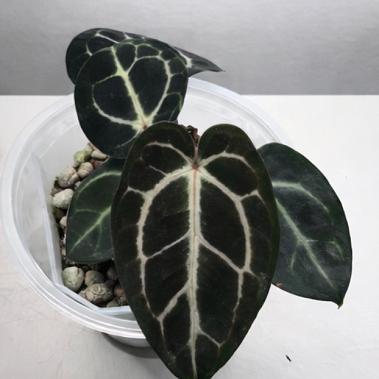
When a new Anthurium enters your collection, one of the first decisions is whether it needs acclimation, quarantine, or both. While these terms are often used interchangeably, they serve very different purposes — and understanding the distinction can help prevent unnecessary stress to the plant.
🔖 What Is Acclimation?
Acclimation is the process of allowing a plant to adjust to a new environment.
Even healthy Anthuriums experience a shift when moved between spaces with different:
• Light intensity • Humidity • Temperature • Air movement • Water chemistry
During acclimation, the goal is environmental stability, not isolation.
Signs a plant is acclimating:
• Temporary pause in growth • Slight droop or softness in older leaves • Slower unfurling on the next leaf
These changes are normal and usually resolve once the plant has settled.
Acclimation works best when conditions are:
• Warm and consistent • High humidity (especially for velvety species) • Free from sudden changes or frequent handling
🔖 What Is Quarantine?
Quarantine is a protective measure used when there is a known or suspected risk — typically pests, disease, or unclear history.
Quarantine is about isolation, not adjustment.
A plant should be quarantined if:
• It is newly acquired from an unknown source • There are visible signs of pests or damage • The plant has been in transit for an extended period • Its prior growing conditions are unknown or unstable
During quarantine:
• Plants are kept physically separate from the main collection • Close inspections are performed regularly • Preventative treatments may be applied if appropriate
Quarantine environments are often more controlled and observational than display spaces.
‼️ Acclimation ≠ Quarantine
A healthy plant does not automatically require quarantine.
Many Anthuriums simply need time to adapt, and unnecessary isolation or treatments can increase stress — especially for sensitive, velvety-leaf species that do not respond well to frequent spraying or disturbance.
In these cases, a calm acclimation period in stable conditions is often the better choice.
💚 Our Approach
We differentiate clearly between acclimation and quarantine and choose the path that best supports the plant.
• Healthy plants → acclimated under stable, high-humidity conditions • Questionable plants → quarantined, observed, and addressed carefully
The priority is always long-term plant health, not reactionary intervention.
💬 Final Thoughts
Anthuriums reward patience and consistency. Knowing when to step back — and when to isolate — is part of responsible care.
Not every plant needs to be treated as a problem. Sometimes, the best thing you can offer is time.